
Build an approval‑ready credit profile
Understand what’s driving your credit decisions, identify items that may be unfair or inaccurate, and take a structured next step toward stronger approvals and better terms.
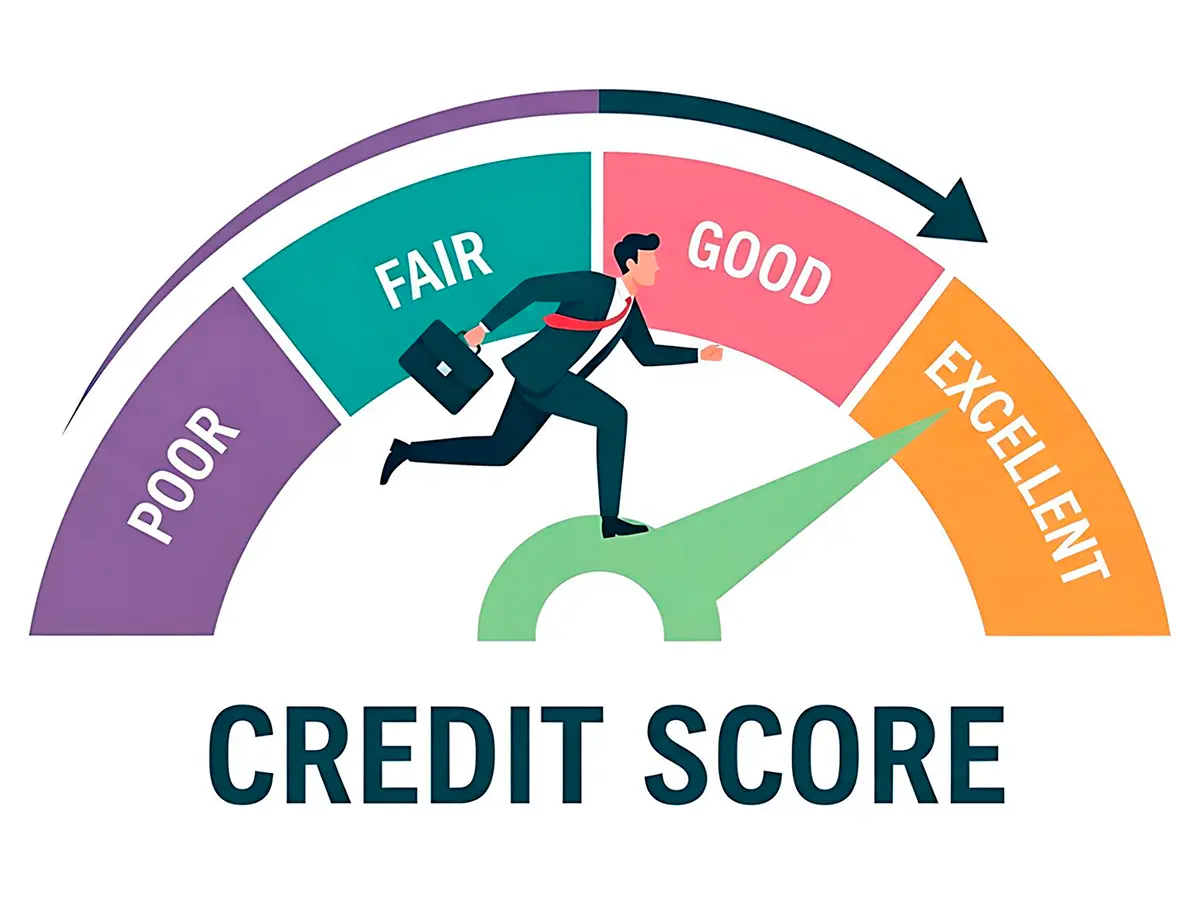
Built around established U.S. credit reporting practices and dispute procedures under the Fair Credit Reporting Act (FCRA). No unrealistic promises—just clarity, documentation, and structured credit improvement.
Unlock more options
Choose the outcome you care about. We’ll outline what improves it—and what to watch for—so you can move forward with confidence.
Your path to stronger credit
A stronger credit profile can mean better approval odds, improved loan terms, and more financial flexibility. Get a clear, no-fluff overview of what credit improvement can help you achieve — then take the next step when you're ready.
Credit decisions in the U.S. are typically influenced by payment history, utilization ratios, account age, recent inquiries, and the accuracy of reporting across major credit bureaus.
Even small inconsistencies can affect lending algorithms. A structured credit improvement approach focuses on verified data, responsible usage patterns, and consistent financial behavior.
*Results vary. This page does not guarantee outcomes.
How it works
A straightforward workflow used by reputable credit‑support programs: review, challenge what’s questionable, and build stronger habits while updates are processed.

Review your starting point
Clarify your goal and look at what’s currently affecting approvals and terms.

Identify what can be challenged
See what information is typically needed, what to expect next, and how the workflow usually looks.

Move forward
Continue to explore available options and take the next step toward better credit outcomes.
credit repair charlotte nc: clear choices for stronger scores
I'm here to help you pick a path and finish confidently. Credit repair in Charlotte doesn't need to be murky. It's a mix of cleaning what's inaccurate, building new positives, and protecting progress. Some folks argue you should just "wait it out," and sure, time heals some wounds - but targeted action usually delivers cleaner files and faster score movement.
What credit repair in Charlotte actually means
Real repair starts with accuracy. Under the Fair Credit Reporting Act, you're entitled to dispute errors with Equifax, TransUnion, and Experian. They must investigate, typically within 30 - 45 days, and remove or correct unverifiable data. North Carolina adds helpful guardrails: for many consumer debts, the statute of limitations to sue is often three years, and wage garnishment for most consumer judgments is tightly limited - facts that matter when negotiating.
- Pull reports often: AnnualCreditReport.com offers free reports; check all three bureaus for mismatches.
- Document everything: Keep letters, emails, and screenshots. Proof wins disputes.
- Dispute with evidence: Incorrect dates, balances, or ownership? Attach bank statements, receipts, or identity theft reports.
- Know the clock: Most negative items fall off after seven years; bankruptcies vary by chapter.
- Validate collections: Send a written validation request; collectors must show they can legally collect.
- Don't restart old debt accidentally: A small payment on time-barred accounts could revive collectability - ask for terms in writing first.
A quick Charlotte moment
Last Tuesday at a cafe in Plaza Midwood, I watched a client snap photos of a paid medical receipt and upload it with a dispute. Thirty-three days later, the bureau deleted the collection. That single fix lifted her mortgage pre-approval odds more than any tip or trick.
Local help vs. DIY vs. national firms
Local teams can read Mecklenburg court records quickly and speak Carolina creditor "dialect." DIY keeps costs down and control high. National firms scale systems and templates. Each has trade-offs, and I'll be frank about them.
- Pro (Local): Face-to-face accountability, regional know-how, referrals to community resources.
- Con (Local): Higher per-item fees; quality varies - avoid anyone promising a specific score.
- Pro (DIY): Free or low cost; you learn your file inside out.
- Con (DIY): Time-intensive; weak letters or missed deadlines slow results.
- Pro (National): Efficient workflows, dashboards, and reminders.
- Con (National): One-size-fits-all disputes can trigger re-verification and stall momentum. Some swear by them; I think selective, evidence-based disputes beat volume.
A build-and-protect plan that works
- Triage the file: Mark outright errors, then gray-area items. Prioritize what's provable.
- Lower utilization: Keep card balances under 30% - under 10% if you want faster lift. Ask for limits only if you can avoid new hard pulls.
- Automate payments: Payment history drives about 35% of FICO. Set autopay for at least the minimum, then snowball.
- Add safe positives: Consider a secured card from a Charlotte credit union or a small credit-builder loan. One on-time account beats three closed ones.
- Negotiate smartly: Goodwill letters for isolated late pays; pay-for-delete requests on small collections (not guaranteed, but worth a polite ask).
- Thicken responsibly: Authorized user status on a trusted family member's seasoned, low-util card can help - only if it has spotless history.
Proof you can trust
Expect bureau responses in about a month; score changes usually surface within 30 - 60 days of updates. Track FICO for lending decisions (mortgage, auto), and note that VantageScore may move differently. Cross-check outcomes: deleted items should vanish on all three reports, not just one. If something reappears, request method-of-verification documentation.
Final call
Choose your lane - local guidance, disciplined DIY, or a hybrid - and commit for 90 days. Aim for fewer errors, lower utilization, and perfect on-time payments. That combination, backed by evidence and North Carolina know-how, turns "hope" into measurable progress. And that's how you finish strong in Charlotte.
Experience You Can Trust, Service You Can Count On. Our award winning Credit Experts educate you every step of your Credit Repair journey - call ...
When you partner with The Phenix Group, a legally compliant Charlotte credit restoration company, boosting your credit score is a simple, achievable goal. By ...
We help people to understand how great credit can benefit generations! We teach our clients how to fix their mistakes and move forward with their lives!
Frequently asked questions
A clear next step — without the guesswork
See what’s impacting approvals and what may deserve a closer look.
Understand how disputes are structured and what documentation matters.
Improve utilization, consistency, and long-term credit stability.
See what improving your credit could change
Take a structured next step based on your current profile — and decide with clarity.